1. Overview
APIs are the backbone of modern applications, enabling communication between services, clients, and external platforms. However, insecure API usage is a common entry point for attacks such as credential leakage, unauthorized access, and data exposure.
This guide demonstrates how to securely interact with APIs using curl and Postman, while mapping each practice to Applied Information Assurance (IA) principles.
2. Secure API Flow Overview (diagram)
As shown in Figure 1, secure API usage involves multiple layers including client request handling, authentication, authorization, and logging. Each component plays a role in enforcing confidentiality, integrity, and accountability.
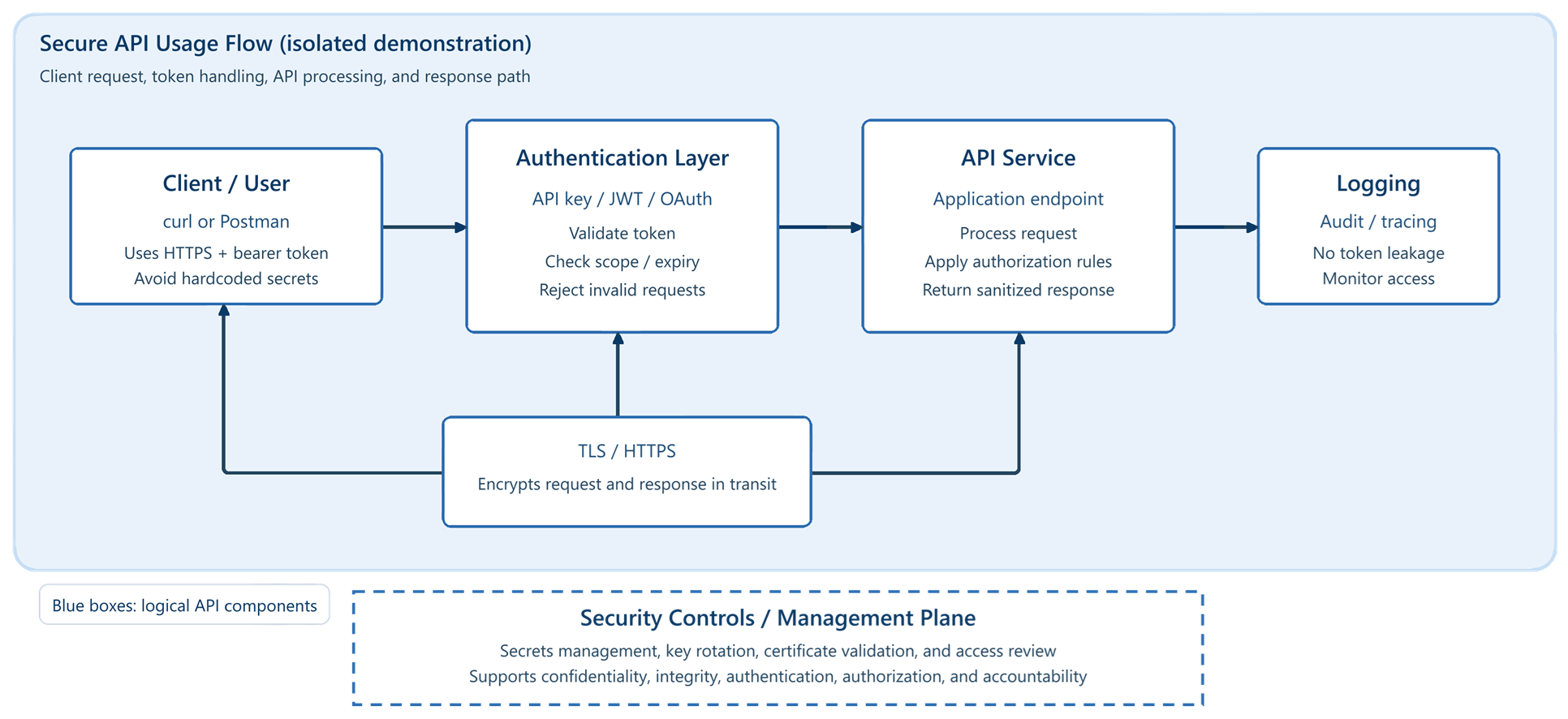 Figure 1 — Secure API Usage Flow (isolated demonstration)
The diagram illustrates how requests flow from the client through authentication and API processing layers, with TLS protecting data in transit and logging supporting auditability.
This flow supports CI4A principles by ensuring confidentiality through TLS, authentication via tokens, authorization through scoped access, and accountability through logging.
3. Threat Model
Before using an API, it is important to understand common risks:
- Exposed API keys (hardcoded or committed to repositories)
- Man-in-the-middle (MITM) attacks over unsecured connections
- Replay attacks using intercepted tokens
- Over-permissioned tokens granting excessive access
4. Authentication Methods
API Keys
- Simple but risky if exposed
- Should never be hardcoded or shared
Bearer Tokens (JWT)
Used in headers:
curl -H "Authorization: Bearer <token>"
OAuth (conceptual)
- Delegated authorization
- Tokens issued with scoped permissions
5. Secure API Usage with curl
Use HTTPS Only
curl https://api.example.com/data
Pass Tokens via Headers (not URL)
export TOKEN="your_token_here"

curl https://api.example.com/data \
  -H "Authorization: Bearer $TOKEN"
Avoid Shell History Leaks
- Do not paste secrets directly into commands
- Use environment variables (
$TOKEN)
Example: Secure vs Insecure API Call
Insecure:
curl "http://api.example.com/data?apikey=12345"
Secure:
export TOKEN="secure_token"

curl https://api.example.com/data \
  -H "Authorization: Bearer $TOKEN"
Misconfigured API authentication has been a contributing factor in multiple data breaches, often due to exposed tokens or lack of transport security.
6. Secure API Usage with Postman
Use Environment Variables
- Store tokens in variables (for example, a Postman environment variable named
token) - Avoid hardcoding credentials in requests
Token Handling
- Use pre-request scripts for dynamic tokens
- Do not export collections with active secrets
Example Header in Postman
Authorization: Bearer
7. Common Mistakes
- Hardcoding API keys in source code
- Using HTTP instead of HTTPS
- Logging sensitive headers (Authorization tokens)
- Sharing Postman collections with live credentials
- Using overly broad permissions
8. Mitigations & Best Practices
- Use .env files or secure vaults
- Rotate API keys regularly
- Apply least privilege (scoped tokens)
- Validate TLS certificates
- Monitor API usage logs
9. Mapping to CI4A Principles
| Principle | Application in API Security |
|---|---|
| Confidentiality | TLS (HTTPS), token protection |
| Integrity | Signed requests, hashing, input validation |
| Availability | Rate limiting, resilient infrastructure, monitoring |
| Authentication | API keys, JWT, OAuth |
| Accountability | Logging, request tracing, audit trails |
Authorization is also a critical API security control and is typically enforced through scoped tokens, role-based access, and least-privilege design.
10. Conclusion
Secure API usage is not optional, it is a core component of system design. By applying proper authentication, protecting credentials, and enforcing least privilege, developers can significantly reduce risk.
These practices align directly with Applied Information Assurance principles and help ensure systems remain resilient against common attack vectors.
This approach reflects a system-first mindset, where security is integrated into API design rather than added after deployment.